
Description
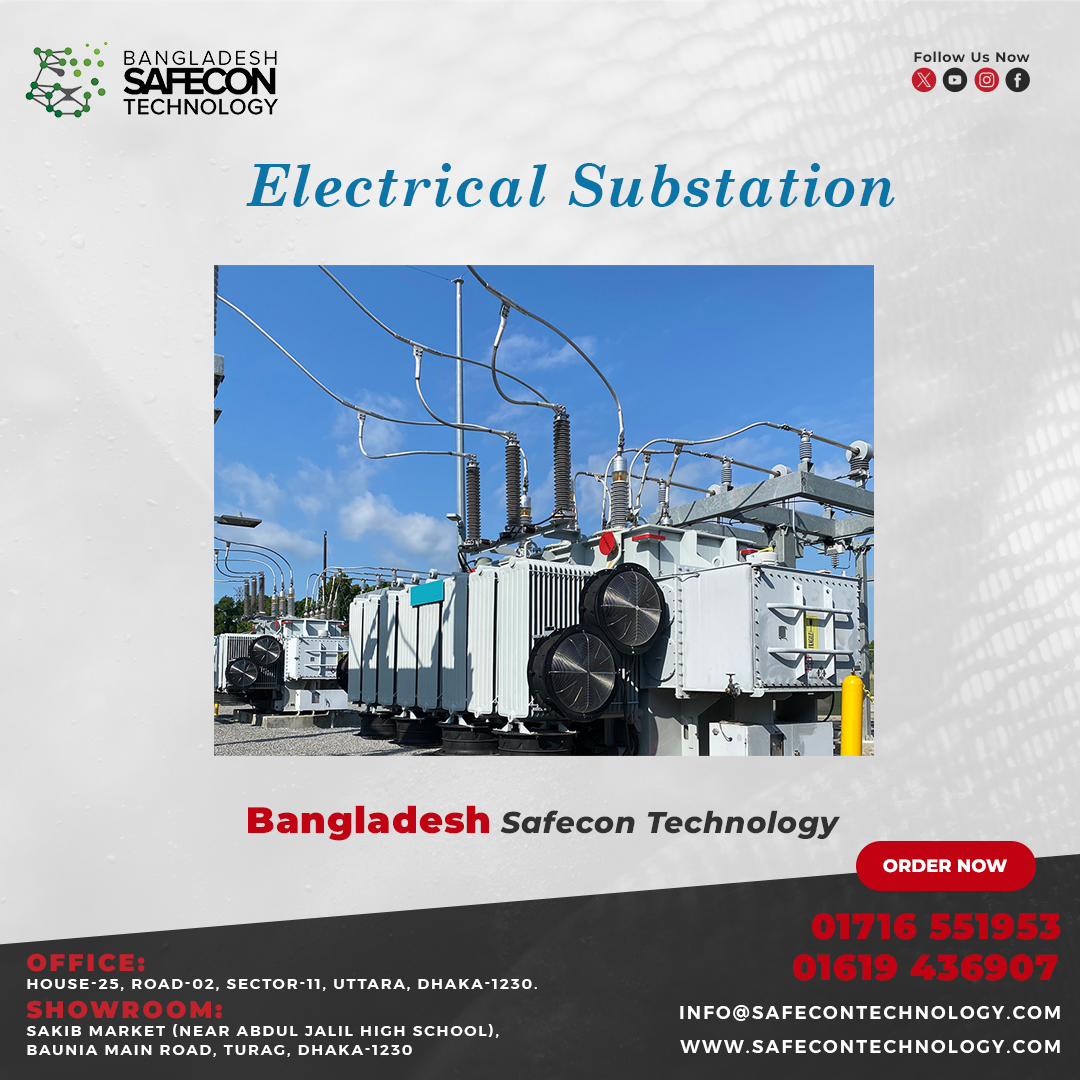
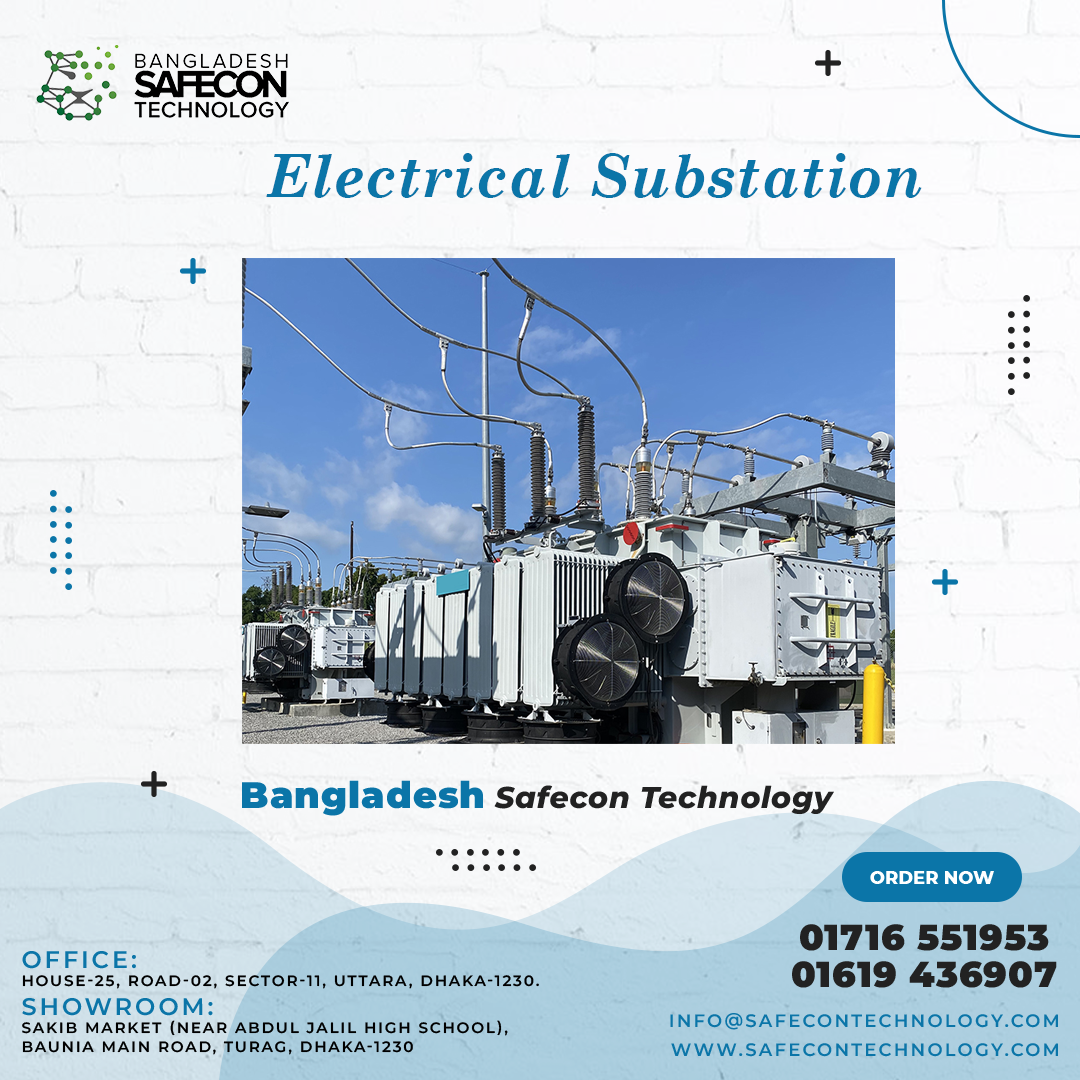
An Electrical Substation is a critical facility within the power system where electrical energy is transformed from one voltage level to another and controlled for safe distribution. It plays a key role in maintaining voltage stability, protecting equipment, and ensuring uninterrupted power supply to end users.
Electrical Substations consist of transformers, switchgear, circuit breakers, protection relays, control panels, and earthing systems. These components work together to step up or step down voltage levels, isolate faults, and manage power flow efficiently. Substations can be designed as indoor, outdoor, or compact packaged units depending on space and application requirements.
Designed and constructed in compliance with international electrical and safety standards, Electrical Substations provide high reliability, operational safety, and long service life. They are widely used in power utilities, industrial facilities, commercial complexes, and large infrastructure projects.
Key Features:
- Reliable voltage transformation and power distribution
- Advanced protection and control systems
- High operational safety and fault isolation
- Customizable design for different applications
- Long service life with low maintenance
Technical Specifications:
| Specification | Details |
|---|---|
| Product Type | Electrical Substation |
| Substation Type | Indoor / Outdoor / Compact |
| Voltage Level | LT / HT / EHT |
| Transformer Rating | As per system design |
| Frequency | 50 / 60 Hz |
| Switchgear Type | AIS / GIS |
| Protection | Relays, Circuit Breakers, Earthing |
| Control System | Manual / SCADA Compatible |
| Compliance | IEC, IS, IEEE or local standards |
Applications:
- Power transmission and distribution networks
- Industrial plants and factories
- Commercial and residential complexes
- Renewable energy integration
- Infrastructure and utility projects


Reviews
There are no reviews yet.