
Description
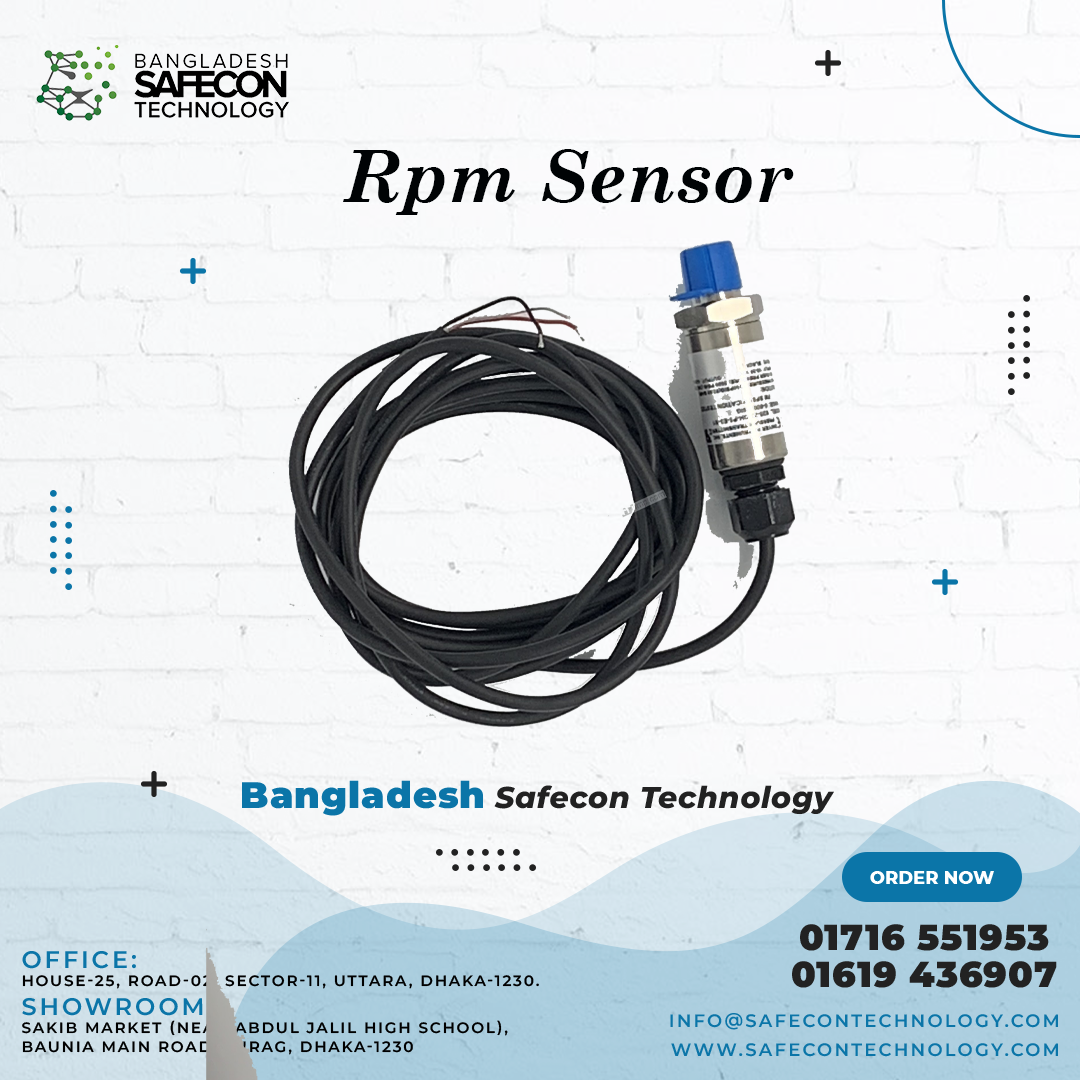
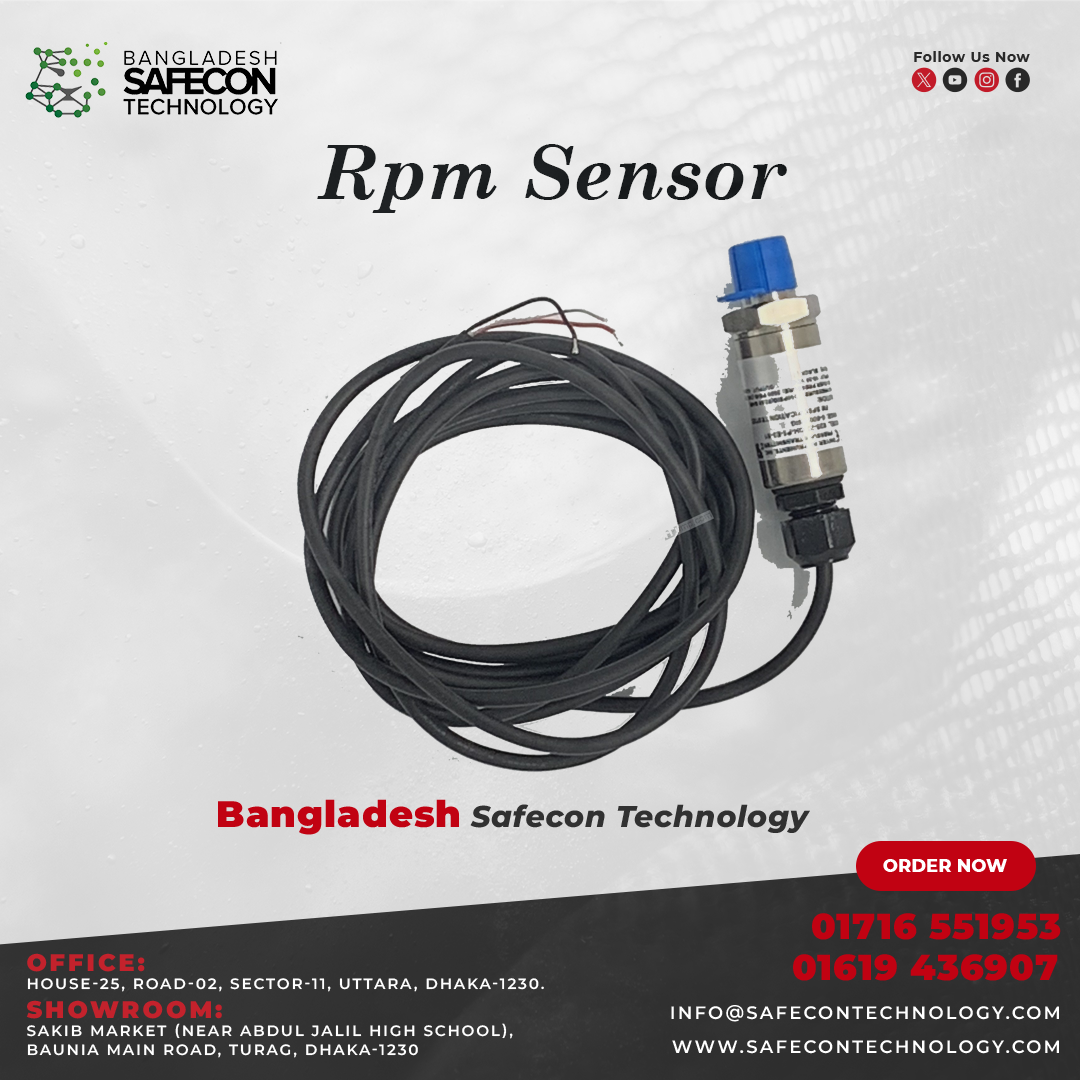
An RPM Sensor (Revolutions Per Minute Sensor) is a critical device used to measure the rotational speed of shafts, motors, and machinery. It converts mechanical rotation into an electrical signal, providing real-time feedback to controllers, monitoring systems, or display units. RPM Sensors are essential for industrial automation, motor protection, and performance monitoring.
These sensors are available in various types such as magnetic, optical, hall-effect, and inductive sensors, depending on the application requirements. Constructed with durable materials and precise sensing elements, RPM Sensors offer high accuracy, fast response, and reliable operation in harsh industrial environments. They are widely used in automation, manufacturing, automotive, and HVAC systems.
Key Features
- Accurate real-time measurement of rotational speed
- Fast response and reliable operation
- Compatible with digital and analog monitoring systems
- Helps prevent equipment damage due to over-speed
- Easy installation on shafts, motors, or machinery
- Durable construction for industrial environments
- Low maintenance and long service life
Technical Specifications – RPM Sensor
| Parameter | Specification |
|---|---|
| Sensor Type | Magnetic / Hall Effect / Optical / Inductive |
| Measurement Range | 0 – 10,000 RPM (depending on model) |
| Accuracy | ±0.5% – ±1% |
| Output Signal | Pulse / Voltage / Frequency |
| Supply Voltage | 5V / 12V / 24V DC (model dependent) |
| Operating Temperature | -20°C to +85°C |
| Shaft Diameter | 3 mm – 20 mm (depending on type) |
| Mounting Type | Flange / Clamp / Shaft Mounted |
| Response Time | <1 ms |
| Protection | IP65 / IP67 (model dependent) |
| Standards | ISO / IEC (as applicable) |
Applications
- Industrial machinery and motor monitoring
- Automation and process control systems
- HVAC and pump systems
- Automotive engines and transmissions
- Generators and turbines
- Safety and protective equipment systems




Reviews
There are no reviews yet.